LAWÈ Atelier Breathes Through Hidden Meanings In Their SS26 Collection, “Sirat”
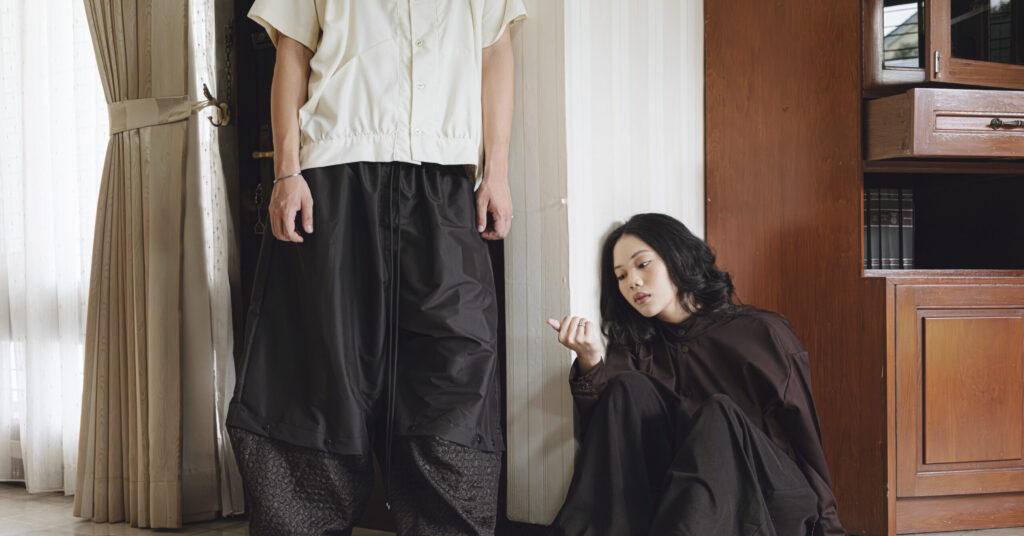
It is the status quo that fashion will always intersect with design. Bandung-based LAWÈ Atelier navigates it by an identity that conveys exploration of form, feeling, and the in-between. It honors the space between memory and movement, and of self and becoming. To the label, design is not just worn, but felt — a gentle pause before change. In this Fashion Spotlight, EnVi spoke to Harris Rahmat Fauzi, art director of LAWÈ Atelier, on the Sirat collection and celebrating daily observations through design.
About LAWÈ Atelier
LAWÉ is a unisex label. Each piece exists in the in-between: formed, yet unfinished. They possess a sense of return shaped by stillness, and a soft readiness to move again. “LAWÉ started from a very personal place: my long-standing love for fashion. I have always been deeply obsessed with clothes, but growing up, what I loved wasn’t always accessible in terms of sizing or budget. That gap became the starting point. I began LAWÈ right after graduating from high school, initially as a space to experiment and create for fun. Even then, there was already a clear vision forming. I didn’t want to produce clothes that were merely about trends or surface aesthetics. From the beginning, Lawè was about exploring construction, questioning regular silhouettes, and understanding how garments are built and experienced on the body,” shared Fauzi.
The name LAWÈ is Javanese for “thread.” “Beyond fabric, thread is the fundamental element that holds a garment together. The name felt fitting because it represents both essence and process. It speaks to the unseen labor, the quiet structure, and the continuity that runs through every piece. In many ways, LAWÈ Atelier is about honoring those subtle connections that make clothing what it is.”
Daily Observations As Seen on LAWÈ’s Pieces
“LAWÈ’s design direction has always been very personal and rooted in nostalgia. Much of it comes from everyday observations: organic shapes, quiet forms, and moments I encounter along the way. At its core, the brand plays with shape, form, volume, and construction. I am drawn to the idea of a ‘basic’ piece, something that can last both in wear and relevance,” Fauzi mentioned. By design, Fauzi expressed that LAWÈ garments do not “shout.” He further explained that the brand lives in the pattern-making, the proportions, and the subtle, almost unnoticeable details that only reveal themselves when people touch the garment or spend time looking closely.
On the clothing design, Fauzi said,“We don’t anchor ourselves to a single cultural reference, but we do take fragments from various sources. For instance, in our jacket designs, there are traces of the beskap’s structure and silhouette, though these elements are softened and reinterpreted through multiple iterations. In a previous collection, we explored an overskirt that subtly referenced kain samping. Since we don’t rely heavily on prints or patterns, our focus shifts more towards how garments drape, fall, and move on the body. Those qualities become our main points of reference rather than direct visual quotations.”

Living Between Empty Spaces in Sirat
In August 2025, LAWÈ Atelier presented Sirat, its Spring/Summer 2026 collection and their second-ever release. The collection, which will be officially released on January 25, continues the brand’s exploration of movement, transition, and becoming.
Sirat is expressed through six considered pieces: two shirts, two pants, one jacket, and one footwear. In Arabic, “ṣirāṭ” (صراط) means “path” – not only the ground beneath one’s feet, but also the unseen crossings we move through: moments of hesitation, redirection, and quiet distance that shape identity. In Indonesian, sirat refers to something implied, a meaning hidden between lines, revealed only through careful attention.Together, these interpretations point to passages both visible and invisible, gestures both spoken and unspoken.
“I’ve always been drawn to the idea of duality: what is visible and invisible, seen and not seen. ‘Sirat’ felt like the right word to bridge these ideas. The theme is still deeply rooted in clothing as an inward tool, something that allows you to feel before you are seen,” Fauzi said about the collection’s concept. “In Indonesian, ‘sirat’ can also mean something [is] implied, something that reveals itself only when carried with care. That resonates strongly with how I see clothing. For me, wearing clothes is an act of care, both towards the self and towards the object, and Sirat becomes a reflection of that relationship.”
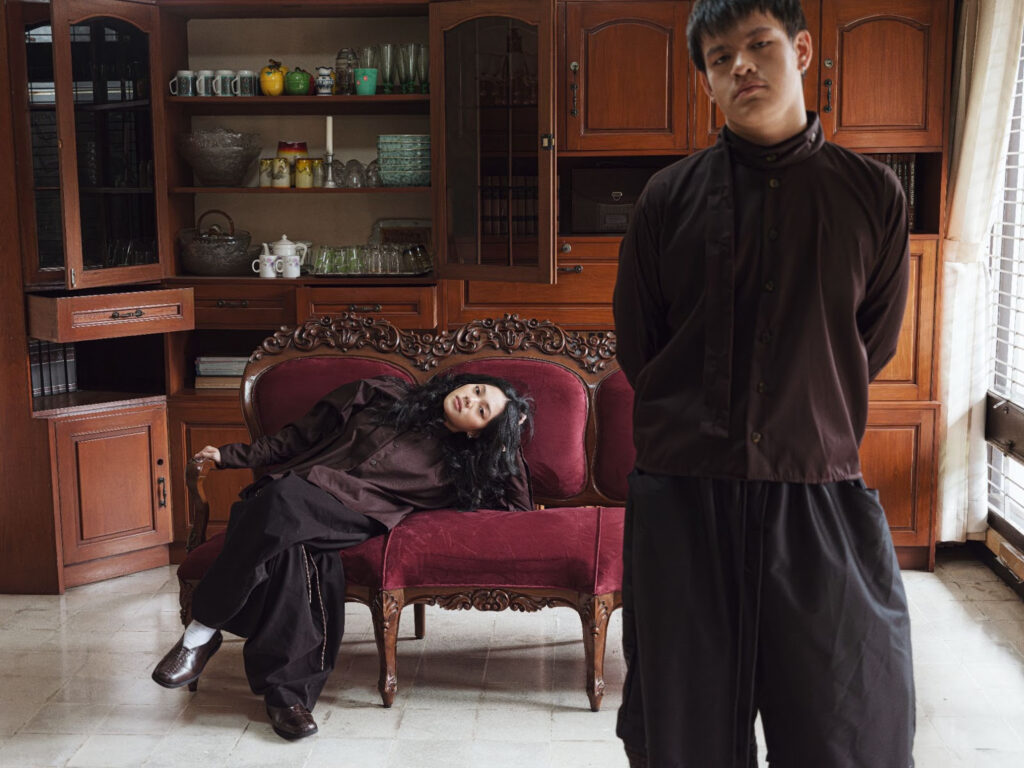
Further, Sirat exists within this in-between space – not as an arrival or conclusion, but as a motion in progress. What is worn becomes part of the journey – not as ornament, but as a companion. Each detail serves as a quiet reminder that becoming is not a destination, but a passage lived again and again – never straight, never final, always unfolding.
Sirat’s Lookbook
KELIR Shirt
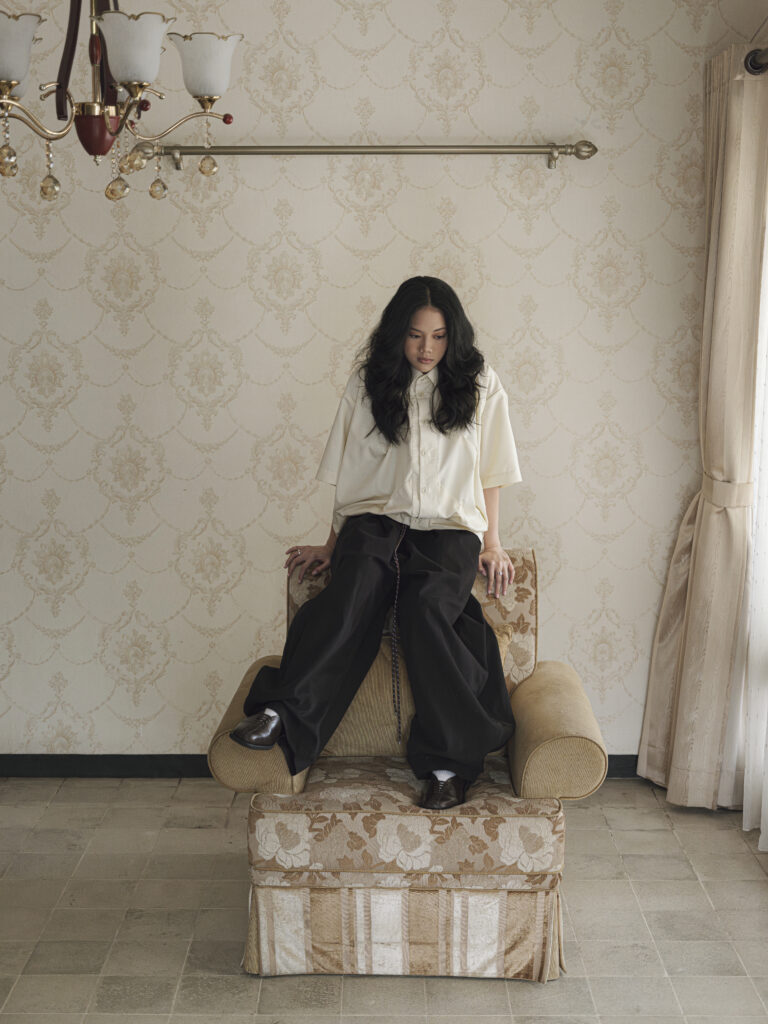
Crafted from structured yet breathable Oxford cotton, the Kelir Shirt features a relaxed oversized silhouette with a front pleat that introduces subtle volume and movement.
“Kelir” refers to a screen or backdrop — a surface where light, shadow, and stories unfold. In butter yellow, the shirt carries a soft luminosity, offering presence without insistence.
RAGA Jacket
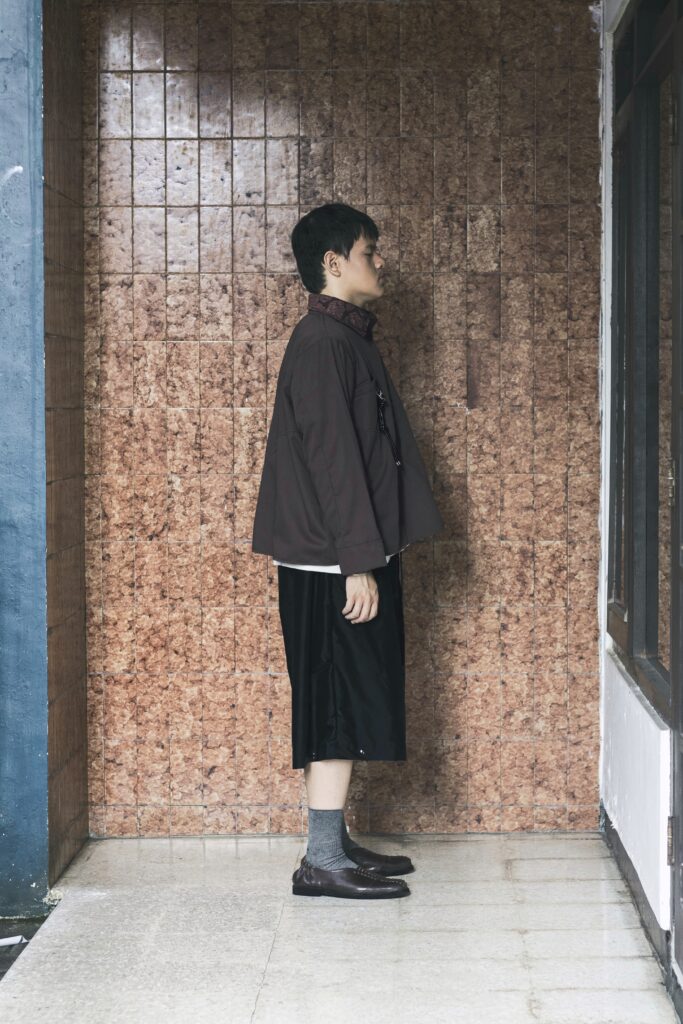
The Raga Jacket features an oversized silhouette cut from sturdy American drill and textured jacquard, balancing form and depth. Dual zips allow flexible styling — open, closed, or layered — while dual pockets ground the piece in everyday function.
Named Raga, meaning “the body” in Indonesian, the jacket responds to movement and transformation. Each piece includes two detachable collars in brown and black.
RERANG Shirt
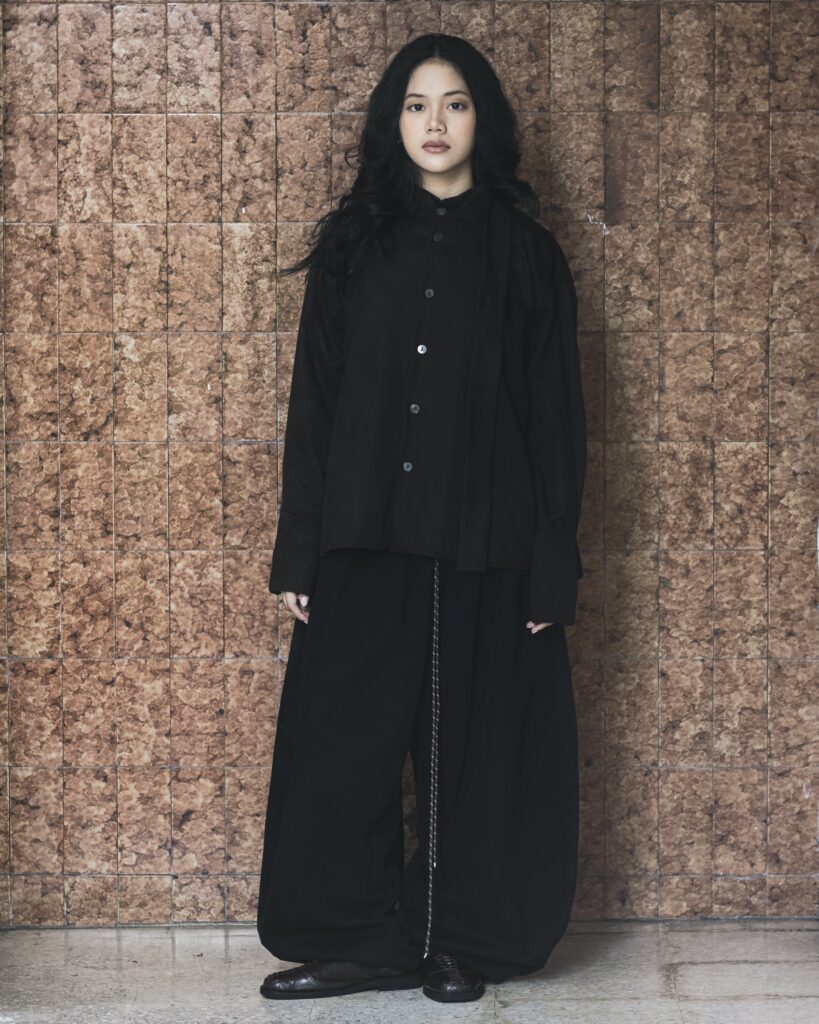
Cut in a relaxed oversized silhouette from breathable Florida cotton, the Rerang Shirt balances softness with quiet structure. “Rerang” refers to loosening or releasing tension, an idea reflected in its detachable, multi-way sash.
The sash can be styled as a tie, scarf, or belt, or removed entirely to allow the shirt to fall freely. It’s a piece that invites the wearer to choose how much structure to hold, and how much to release.
RENGGANG Pants
Renggang Pants are designed with a wide, fluid silhouette and an adjustable waist, allowing ease of movement and a personalized fit. Crafted from durable taslan paired with textured jacquard, the piece brings together technical resilience and tactile depth.
“Renggang” speaks of space, looseness, and the intentional distance that allows movement to occur. It reflects a state where nothing is forced — where form breathes, and the body moves without restraint. This idea is embedded in the pants’ detachable construction, offering versatility that feels considered rather than excessive.
MOKTA Pants
The Mokta Pants carry the same generous silhouette and adaptable construction as our beloved Multi Pants, reintroduced in a new material language. Designed with a wide, fluid cut and an adjustable waist, the piece allows movement to unfold naturally while accommodating a wide range of bodies.
Crafted from black twill fabric, the Mokta Pants offer a sturdier hand feel with a softer drape — grounded, dependable, and quietly versatile. The fabric lends structure without rigidity, making it suitable for both daily wear and more intentional moments.
PRANA Shoes
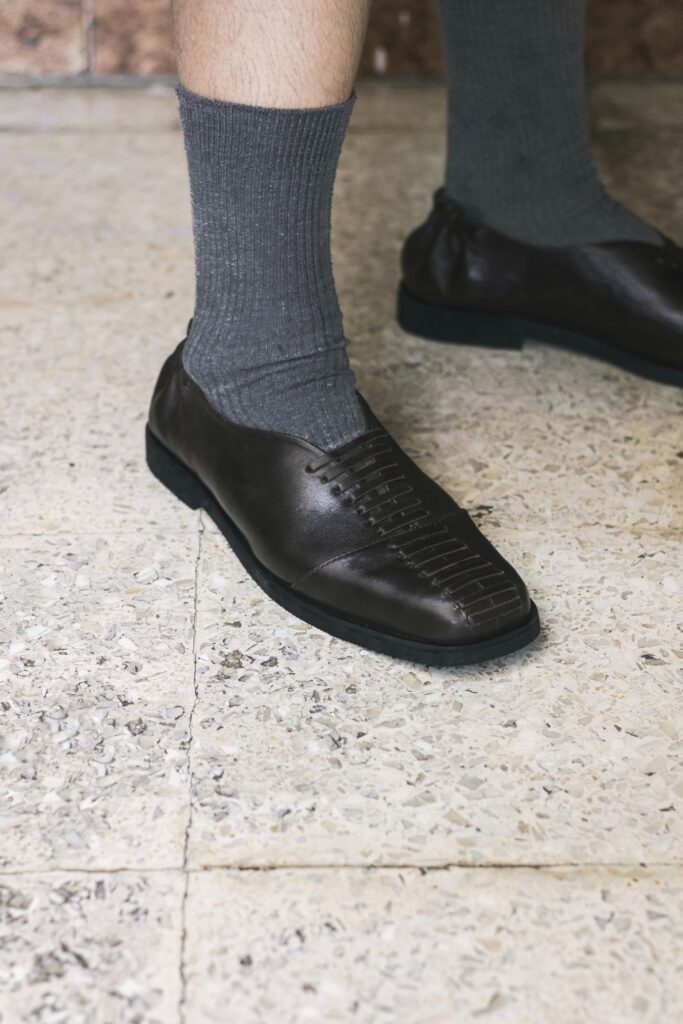
Designed as an extension of movement and breath. The Prana Flat Loafers feature a distinctive silhouette that balances exposure and coverage — revealing glimpses of the foot while remaining grounded in form. A leather lacing detail on the upper adds subtle character and adjustability, shaping the shoe naturally to the wearer.
Crafted from genuine lambskin leather, the loafers offer a soft, supple feel that continues to soften and mold to the foot with wear. The flat construction encourages ease and fluid steps, supporting natural movement throughout the day.
Tune in to LAWÈ Atelier’s Instagram page for more updates on Sirat.
Looking for a secondhand shopping session in India? Check out EnVi’s article on Gon Vintage here!